International Journal of Materials and Chemistry

p-ISSN: 2166-5346    e-ISSN: 2166-5354

2026;  16(4): 59-66

doi:10.5923/j.ijmc.20261604.01

Received: Jul. 15, 2026; Accepted: Aug. 10, 2026; Published: Aug. 13, 2026

 

Production of an Ethylene-Containing Gas via Oxidative Coupling of Methane, Its Purification from Carbon Oxides, and Application in Alkylate Synthesis

Normurot Fayzullaev, Nargiza Tursunova

Department of Polymer Chemistry and Chemical Technology, Samarkand State University named after Sharof Rashidov, Samarkand, Uzbekistan

Correspondence to: Normurot Fayzullaev, Department of Polymer Chemistry and Chemical Technology, Samarkand State University named after Sharof Rashidov, Samarkand, Uzbekistan.

Email:

Copyright © 2026 The Author(s). Published by Scientific & Academic Publishing.

This work is licensed under the Creative Commons Attribution International License (CC BY).
http://creativecommons.org/licenses/by/4.0/

Abstract

This study examines an integrated process for producing an ethylene-containing gas from methane through oxidative coupling of methane (OCM), purifying the product gas, and using the treated stream in downstream alkylate synthesis. The proposed process includes feed preparation, high-temperature reaction at 750–850°C, gas–liquid separation, scrubbing, carbon dioxide absorption, methanation, drying, compression, and catalytic alkylation. Carbon dioxide is removed using a 30 wt% K₂CO₃ solution, while residual CO and CO₂ are converted during methanation at 320–380°C and 2.5 MPa. After dehydration, the purified ethylene-containing stream is reacted with isobutane over a zeolite catalyst to produce high-octane alkylate components. The process configuration also incorporates methane and off-gas recycling, heat recovery, and the reuse of process streams. The process assessment suggests that these measures can reduce losses of valuable components and improve overall material and energy efficiency. The study provides a technological basis for integrating methane conversion, carbon oxide removal, and the direct utilization of ethylene-containing gas without complete ethylene isolation. This approach may reduce dependence on energy-intensive cryogenic separation and multistage rectification while preparing the gas for subsequent petrochemical processing.

Keywords: Oxidative coupling of methane, Ethylene-containing gas, Carbon dioxide absorption, Potassium carbonate, Methanation, Gas purification, Isobutane alkylation, Process integration

Cite this paper: Normurot Fayzullaev, Nargiza Tursunova, Production of an Ethylene-Containing Gas via Oxidative Coupling of Methane, Its Purification from Carbon Oxides, and Application in Alkylate Synthesis, International Journal of Materials and Chemistry, Vol. 16 No. 4, 2026, pp. 59-66. doi: 10.5923/j.ijmc.20261604.01.

1. Introduction

The problem of direct conversion of methane into valuable hydrocarbons is one of the topical areas of modern oil and gas chemistry. From this point of view, the oxidative condensation of methane is of great interest as a promising method for producing C2-hydrocarbons such as ethane and ethylene [1-4]. The advantage of the OCM process is that it allows for the deep processing of methane to produce valuable products, but the process also produces additional oxides such as CO and CO2 along with the target products [5-8].
Ethylene can be separated from the OCM product gas, but this involves energy-intensive processes such as cryogenic separation, compression, and multi-stage rectification [10-12]. Therefore, in recent years, special attention has been paid to the use of ethylene in subsequent petrochemical syntheses, while maintaining it in the contact gas [10-14]. However, for direct processing of OCM gas, it is necessary to reduce carbon oxides in its content. In particular, CO can poison catalysts in many catalytic processes, and CO2 can reduce process performance as an inert diluent in subsequent reaction steps [15-18]. Therefore, steps such as conversion of CO by water-gas exchange reaction, absorption of CO2 by chemical absorption, and then methanation of residual CO are of great importance in oxidative coupling of methane (OCM) gas purification [15,16].
High-octane isoparaffins and alkylate components can be obtained by alkylating purified ethylene gas with isobutane. Such an integrated approach — methane processing through a OCM, product gas purification, and its direct transfer to the alkylation process – improves the material and energy performance of the process due to the efficient use of raw materials, heat utilization, and recycling [10,11,15-18]. Therefore, it is an urgent task to study the scientific and technological foundations of obtaining ethylene gas based on the processing of methane in the presence of oxygen, its purification from CO2 and COx components, and its use in alkylation synthesis [18-20].

2. Materials and Methods

The study investigated an integrated technological scheme for obtaining an ethylene-containing gas mixture by processing methane with oxygen, its step-by-step purification from CO2 and COx components, and the use of the purified gas in the alkylation process with isobutane. The process was carried out in several consecutive stages: feedstock preparation, OCM reaction, cooling and separation of reaction products, gas purification by absorption-adsorption methods, methanation, drying, and alkylate synthesis.
In the first stage of the process, the methane feed was sent to the mixing and preparation apparatus. Part of the unreacted methane was recirculated and returned to the process. The methane stream was passed through a heat exchanger and heated to the temperature required for the reaction. Oxygen was also introduced into the system through a separate line, heated in the heat exchanger and mixed with methane. Then the gas mixture was transferred to the reactor, where oxidative condensation of methane was carried out. According to the results of the technological analysis, the optimal temperature range for the OCM process was taken as 750-850 °C, and the pressure was selected to increase the reaction rate and reduce the reactor volume.
The high-temperature gas-liquid mixture leaving the reactor was first sent to a gas-liquid separator, where the gas and liquid phases were separated. Then the gas stream was passed through a scrubber or purification device, and some additional and harmful components in the gas composition were retained with the help of a liquid. The separated liquid products were directed to the appropriate lines by pumps, and the gas stream was transferred to the next purification stages. Heat exchangers and a steam line with a pressure of 3.0 MPa were used in the technological system, ensuring heat utilization.
To clean the gas from CO2, mechanical impurities and some harmful components were first trapped in the adsorption column. After that, the gas flow was passed through the separation node and the separator, and the condensate was separated. Then the gas was brought to a temperature suitable for technological requirements in the heat exchanger and sent to the absorption column. A 30% potassium carbonate (K2CO3) solution was used as an absorbent. Nozzles or plates were placed inside the column to increase the efficiency of gas-liquid contact. The solution enriched with CO₂ was sent to the regeneration system, and the purified gas was passed to the next stage through an additional purification column and separator.
To significantly reduce the residual CO and CO2 in the gas, a methanation stage was performed. This process was carried out in a shaft column reactor operating in an adiabatic mode. The technological conditions for methanation were 320-380°C and a pressure of 2.5 MPa. Since the reaction was exothermic, an increase in temperature was observed in the reactor. The gas leaving the reactor was cooled through a recuperative heat exchanger, and then the temperature was further reduced in a water cooling condenser. The gas-liquid mixture was separated in a separator, collected in a condensate collection vessel and pumped to the purification system. Thus, ethylene-containing gas purified from oxides was obtained.
To prepare the purified gas for the next catalytic process, it was passed through a drying column. At this stage, the water vapor contained in the gas was absorbed using an adsorbent. Ethylene gas, dried and purified from CO2 and water vapors, was sent to the next technological stage – alkylate synthesis.
During the alkylate synthesis step, gas containing ethylene was fed to the alkylation reactor. At the same time, the isobutane required for the reaction was introduced into the system and supplied to the reaction zone through valves and pumps. In the reactor, ethylene and isobutane interacted in the presence of a zeolite catalyst, and high-octane hydrocarbons were formed. The reaction products were cooled through a heat exchanger and sent to a separation column. In it, light gases and heavy liquid products were separated into fractions. Part of the gas was recirculated and returned to the process head for reuse. The main product was collected in the alkylbenzene collection tank.
During the experiment, methane conversion, selectivity of C2 hydrocarbons, content of CO and CO2 in the gas, degree of purification, quality of dried ethylene gas and product yield in the alkylation stage were evaluated as the main control indicators. The overall productivity of the process was increased due to the integration of material flow recirculation, heat recovery and absorption-adsorption steps.
Experimental method. After heating, a mixture of methane and oxygen was processed in a OCM reactor at temperatures of 750-850°C to obtain a gas mixture containing ethylene. The product from the reactor was subjected to initial purification in a gas-liquid separator and scrubber. The gas was then absorbed in a 30% K2CO3 solution and purified from CO2. The remaining CO and CO2 were reduced in a methanation reactor at 320-380°C and 2.5 MPa. The gas was then dewatered in a drying column and sent to an alkylation reaction with isobutane as an ethylene gas in the presence of a zeolite catalyst. The reaction products were separated in columns, alkylbenzene was obtained as the main product, and unreacted gases and methane were recycled.

3. Results and Discussion

The results of the analysis showed that the integrated technological scheme based on the processing of methane with the participation of oxygen allows for the step-by-step processing, purification and targeting of reaction products for targeted synthesis. The scheme includes the interconnected organization of methane production, mixing with oxygen, processing in the reactor, gas-liquid separation, initial purification in the scrubber, CO2 absorption, gas drying, methanation and subsequent alkylation stages, which increases the overall productivity of the process. The presence of recirculation and heat exchange units contributes to the efficient utilization of raw materials and energy by returning unreacted methane to the reactor and recovering heat from the hot product gas. This reduces fresh methane consumption, decreases external heating requirements, and improves the overall thermal efficiency of the process.
Each device in the diagram is designated as a technological node, which is identified by numbers.
At the initial stage of the process, methane (1) raw material is introduced into the system. Methane is sent to the mixing and preparation apparatus (2). Returned methane, which did not react in the technological process, is also reintroduced into this apparatus. Reuse of recirculated methane allows efficient use of raw materials and increases the economic productivity of the technological process. This approach increases the overall methane utilization efficiency because unreacted methane is returned to the reactor for subsequent reaction cycles instead of being discharged. As a result, fresh methane consumption is reduced, raw material losses are minimized, and the overall process economy is improved.
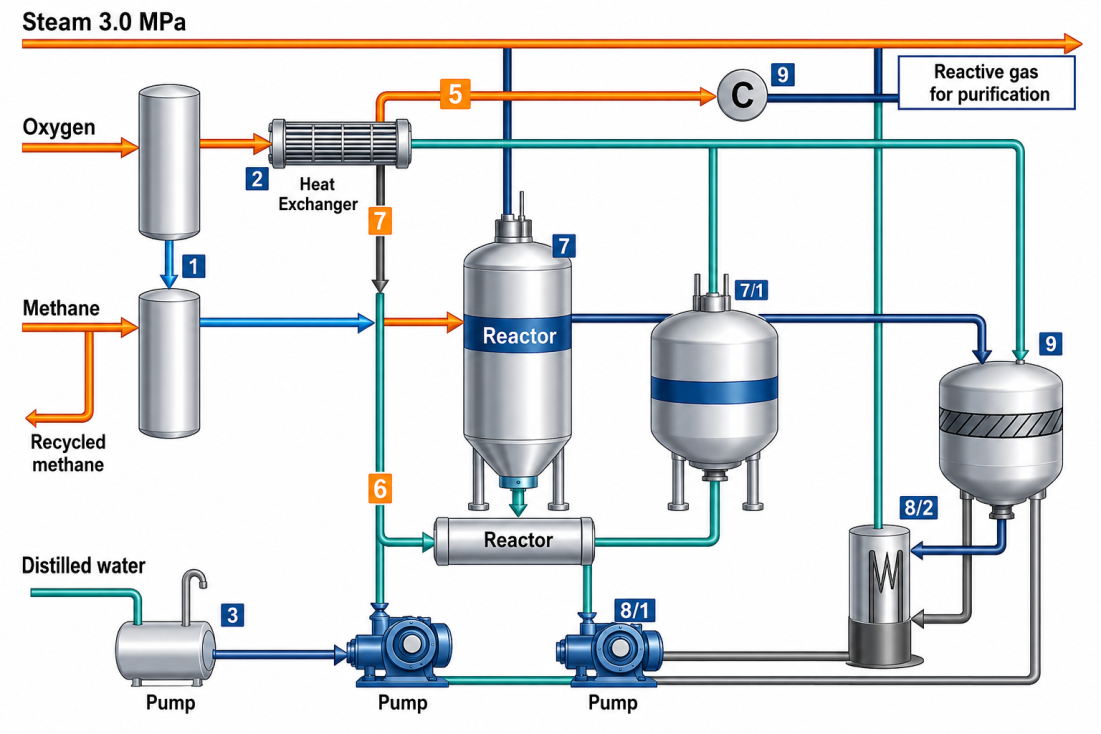
Figure 1. A technological system for processing methane in the presence of oxygen, cooling reaction products, separation and gas purification
The methane stream is then passed through a heat exchanger (3). In this device, the gas stream is heated and prepared to the temperature required for the reaction. The heat exchange process ensures efficient use of energy. The system includes a pump (4), which moves the liquid phase involved in the process between the devices. The pump is supplied with water via a distilled water line (3) and is used in the process for cooling or absorption. Oxygen (5) is introduced into the system through a separate line. Oxygen is also passed through a heat exchanger (5) to be heated to the required temperature for the reaction process. Oxygen and methane streams are sent to the reaction zone in the next step. The mixture of gases is passed through the heat exchange node (6), where the gas streams exchange heat with each other. This step provides optimal temperature conditions for the reaction. Before entering the reactor, the methane and oxygen streams are preheated and mixed under controlled conditions to obtain a uniform gas composition. This promotes stable reaction conditions and improves the formation of C₂ hydrocarbons while reducing undesirable complete oxidation reactions. Then the gas mixture is sent to the reactor (7).
The main chemical reactions in the reactor involve methane and oxygen. The reactions in the reactor produce reaction products. This process takes place at high temperature and pressure. The gas mixture leaving the reactor is then fed into a gas-liquid separator (7/1). In this apparatus, the liquid and gas phases of the reaction products are separated from each other. The separation process is important for the subsequent stages of the technological system. The gases leaving the separator are then directed to a purification apparatus (7/2). In this apparatus, unwanted or harmful components in the gas are absorbed by a liquid. This process is called an absorption or scrubber process. During this stage, dust particles, water-soluble impurities, and part of the acidic gaseous components are removed from the gas stream. This preliminary purification protects the downstream purification units and enhances the efficiency of the subsequent absorption and methanation processes.
After the separation and purification stages, the liquid phases are passed through a heat exchanger (8/1) and a heat exchanger (8/2). These devices perform the function of cooling or heating the reaction products. Pumps (8/1 and 8/2) are used to move the liquids between the devices. They perform the function of converting the absorbent or cooling liquid. The circuit also includes a compressor or motor unit (9), which performs the function of moving or increasing the pressure of the gas stream. The gas from the cleaning process is sent to the subsequent technological processes through the outlet line as “cleaning reaction gas” (9). The technological scheme is also equipped with a steam line with a pressure of 3.0 MPa to ensure high temperature conditions. This steam is used in heating or heat exchange processes.
In general, this technological scheme is an integrated technological system that includes the processes of methane processing, separation of reaction products, gas purification and energy redistribution. The use of important operations such as recirculation, heat exchange and absorption in the process increases the productivity of the technological system and ensures the improvement of product quality.
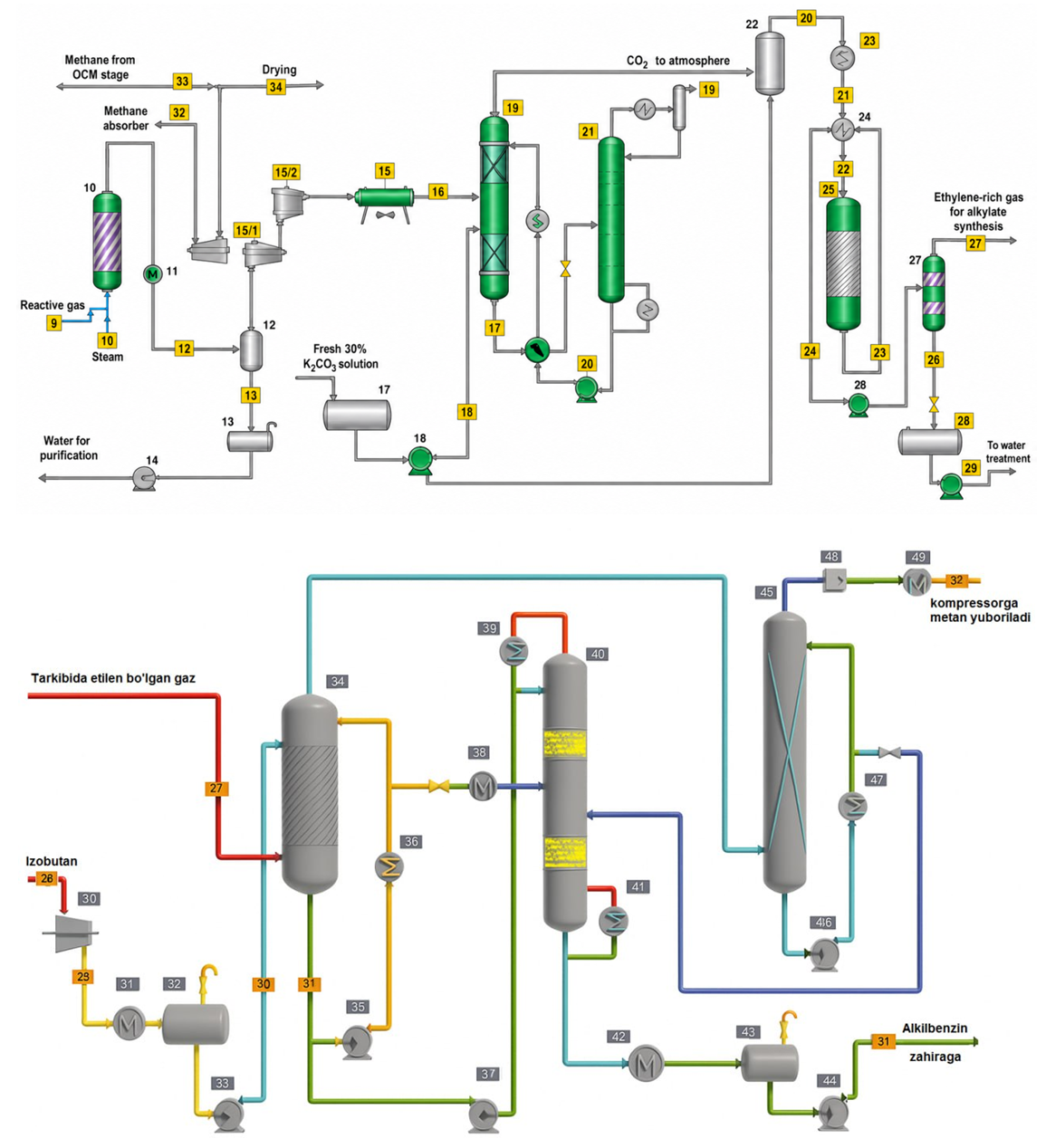
Figure 2. Technological scheme for the purification of a methane-based gas mixture from CO2 by absorption and the production of ethylene gas for alkylate synthesis
Each technological node in the diagram is marked with numbers, which represent certain stages of the technological process.
In the first stage of the process, the reacting gas (9) is introduced into a special adsorption column (10). Adsorbent layers are located inside this apparatus, and mechanical impurities and some harmful components in the gas are trapped through them. The main working part of the adsorber is the sorbent layer (11). At this stage, the gas is purified and prepared for subsequent technological processes. After the adsorption process is completed, the gas is directed to the methane line (34) in the OCM stage or to the subsequent drying stage. The gas leaving the adsorber is passed through the separation node (15/1 and 15/2). In these devices, liquid droplets from the gas are separated. The separated liquids are discharged through the separator (12). Condensate is collected here and sent to the next technological system. Pumps (13 and 18) are used to move liquids through the technological system. The gas stream is introduced into the heat exchanger (16) at the next stage. In this apparatus, the temperature of the gas is changed according to the technological requirements. The gas leaving the heat exchanger is then sent to the absorption column (19). In this apparatus, carbon dioxide gas is absorbed using a liquid absorbent. The main absorbent used in the absorption process is a 30% potassium carbonate solution. To increase the contact efficiency between the gas and the absorbent, special nozzles or plates are located inside the column. The solution enriched with CO2 is sent to a separate system for regeneration in the next stage. After the CO2 has been separated from the gas composition, the gas is sent to a second column (21). In this column, additional gas purification is carried out. Here, residual CO2 or other impurities are separated. The separated CO2 is released into the atmosphere through the exhaust line (19). The gas is then introduced into a separator or collection apparatus (22). In this apparatus, the residual liquid phases in the gas are separated. The gas is then moved by a compressor or pump (23). At this stage, the pressure and flow of the gas are adjusted to the requirements of the technological process. In the next stage, the gas is sent to a drying or adsorption column (25). In this apparatus, water vapor in the gas is absorbed by an adsorbent. The drying process prepares the gas for subsequent catalytic reactions. The dried gas is sent to the next technological process as ethylene gas (27) for alkylate synthesis. At this stage, the gas composition is purified, free from CO2 and water vapor. The technological scheme also includes a water purification and preparation unit (26, 28, 29), which performs the function of preparing water used in the technological process. Water is used in absorption processes and in the cooling systems of the apparatus.
In general, this technological scheme represents a complex gas purification technology through the steps of adsorption, absorption, separation, drying and compression. As a result of the use of technological operations such as recirculation, heat exchange and absorption in the process, the gas content is effectively cleaned and brought to the required quality for further alkylate synthesis processes.
Technological procedure of the methanation process. The methanation process is carried out to completely purify the gas stream from carbon monoxide (CO) and carbon dioxide (CO2) and convert them into methane (CH4) and water vapor (H2O). This process is important in the petrochemical industry for bringing the raw material to the required level of structural purity for subsequent processing stages.
The methanation reaction is exothermic in nature and ensures an increase in temperature in the reactor. The release of heat in the reaction process allows changing the composition of the gas in a wide range.
Post-reaction processes: The gas leaving the reactor is cooled by a recuperative heat exchanger (24) and serves as a heat source for heating other gases in the technological cycle. Then, through the water cooling-condenser (26), the temperature drops further, and condensation of water vapor is carried out.
Gas-liquid separation: The gas and condensate mixture is separated by a separator (27). The liquid phase is collected in a condensate tank (28) and is directed to the purification system by a pump (29). The purified water is returned to the circulation circuit. The resulting gas stream, completely free of oxides and containing ethylene, is transferred to the next technological stage - the production of isoparaffins.
Isoparaffins, especially isononane and isodecane, are widely used in the petrochemical industry for the production of lubricants, fuels, and surfactants. Their synthesis is based on the alkylation reaction of ethylene and isobutane in the presence of a zeolite-based catalyst.
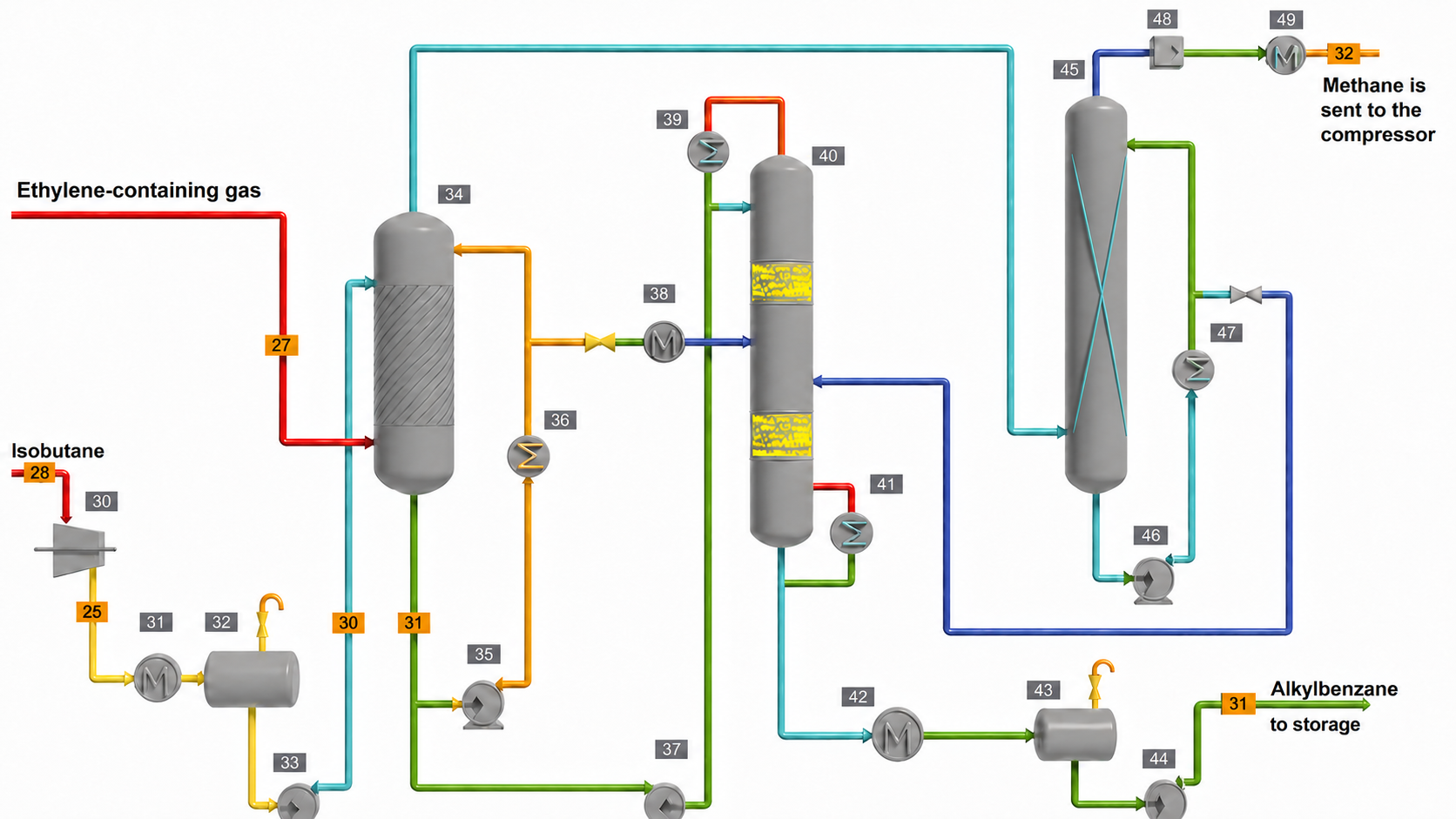
Figure 3. Technological scheme for alkylate synthesis from ethylene-containing gas and isobutane
In the diagram, each device and technological node is marked with numbers, which indicate certain stages of the process.
In the initial stage of the process, a gas (27) containing ethylene is introduced into the technological system. This gas is sent to the alkylate synthesis reactor (34). At the same time, the isobutane (36) required for the reaction is also introduced into the system. The isobutane is first passed through a throttle or regulating valve (30), and the pressure and flow rate are adjusted to the technological requirements. Then the isobutane is transferred to the reaction zone through the pump (31). Alkylate synthesis takes place in the reactor (34). Inside the reactor there is a special contact medium or catalyst bed, and an alkylation reaction occurs between ethylene and isobutane. As a result of this process, high-octane hydrocarbons, i.e. alkylbenzene, are formed. The reaction mixture leaving the reactor is sent to the next stage. The reaction products are then passed through a heat exchanger (33). In this apparatus, the temperature of the reaction mixture is reduced or brought to a state in accordance with technological requirements. Heat exchange allows for efficient use of energy. The cooled reaction mixture is then fed into a separation column (38). In this column, the components contained in the reaction products are separated into fractions.
In the column, light gases are collected at the top, and heavy liquid products are collected at the bottom. The gas stream from the column is then sent to an additional separation or purification column (45). In this apparatus, light hydrocarbons and residual methane in the gas are separated. A portion of this gas is returned to the process system for reuse as methane (49) which is fed to the compressor. The liquid products separated from the column are then moved along the process lines by pumps (37 and 43). These pumps perform the function of transferring the reaction products to subsequent apparatus.
The main product alkylbenzene (31) produced in the final stage of the process is sent to a special collection vessel (47). Here the product is temporarily stored and then sent to the reserve (49) or to the next processing stages.
The technological scheme also includes auxiliary devices such as heat exchangers (27, 33, 41), pumps (31, 37, 43) and control valves (30). They regulate the temperature, pressure and flow of substances in the process.
In general, this technological scheme represents a modern technological system that includes the processes of alkylate synthesis, fractionation of reaction products, re-conversion of gases and collection of finished products in the presence of ethylene gas and isobutane. The use of basic technological operations such as reaction, separation, heat exchange and recirculation in the process serves to increase production productivity.
Analysis of OCM process in an isothermal ideal capacity reactor model. Mathematical modeling and theoretical optimization are important for improving the efficiency of the methane oxidative condensation (OCM) process. For this purpose, a quasi-homogeneous approximation was used in an isothermal ideal-capacity reactor based on the selected kinetic model. This approach allows us to determine the relationships between the main reaction parameters and the yield of the target product, and to determine the optimal technological conditions.
Relationship between temperature and C2 selectivity. Studies have shown that increasing the temperature under conditions of high oxygen conversion increases selectivity. In particular, in the range of 750-850°C, the formation of C₂ hydrocarbons has a monotonically increasing character, which is explained by the activation of product formation mechanisms. Thus, at high temperatures, the formation of the target products – ethane and ethylene – is preferred over the deep oxidation pathway of the reaction.
Theoretical analysis in an isothermal ideal-capacity reactor model shows that high oxygen conversion and effective selectivity for C₂ products can be achieved through an optimal combination of technological parameters. The optimal temperature range is formed around 750-850°C, while increasing the pressure enhances the reaction rate and reduces the reactor volume.
Effect of methane/oxygen ratio: By reducing oxygen conversion and increasing the CH4/O2 mole ratio, C2 selectivity can be improved. This is explained by changing the direction of the reactions between radicals, reducing the formation of CO and CO2.
Effect of pressure on selectivity: C₂ selectivity is nearly independent of pressure; pressure mainly affects the contact time and overall reaction rate through changes in gas density. An increase in operating pressure enhances gas density, thereby improving the collision frequency between reacting molecules and increasing the overall reaction rate. Although the selectivity toward C₂ hydrocarbons changes only slightly, higher pressure contributes to a more compact reactor design and improved process productivity. However, excessively high pressure increases equipment and operating costs; therefore, the operating pressure should be selected by considering both technical performance and economic feasibility.

4. Conclusions

The conducted analyses have shown that the production of an ethylene-containing gas mixture based on the processing of methane in the presence of oxygen, its step-by-step purification and subsequent transfer to the alkylation process is of great practical importance as an integrated technological solution. The presented scheme allows for the processing of methane at the OCM stage, targeted change in the composition of the resulting contact gas, reduction of carbon oxides and effective use of ethylene gas in the synthesis of valuable hydrocarbon products.
It is not advisable to directly transfer CO and CO2 from the contact gas to subsequent petrochemical processes, as these components reduce the efficiency of the catalytic stages. Therefore, one of the most suitable technological directions is the purification of the gas by low-temperature CO conversion, CO2 absorption and methanation of residual CO. It has been shown that the absorption of CO2 in a 30% K2CO3 solution and the separation of residual oxides in additional column and separation stages is technologically efficient. After the stages of drying and cleaning the gas from oxides, it can be sent to the alkylation reaction. This allows the production of high-octane alkylate products from ethylene-containing gas in the presence of isobutane.
The presence of elements of recirculation, heat exchange and resource recovery in the integrated technological scheme increases the material and energy efficiency of the process. Reuse of unreacted methane and some gas streams, heat utilization and a coordinated operation mode between the stages serve to reduce the consumption of raw materials and increase the overall technological productivity.
Thus, it was proved that the technological approach based on the production of ethylene gas from methane, its purification from CO and CO2, and its use in alkylation synthesis is not only theoretically and practically promising. This direction can serve as an effective basis for the deep processing of methane, the targeted use of ethylene, and the production of high-value-added motor fuel components.

ACKNOWLEDGEMENTS

The authors gratefully acknowledge the support, technical assistance, and constructive contributions of all individuals and institutions involved in the preparation and completion of this study.

DISCLOSURE

The authors declare that there are no financial, professional, or personal conflicts of interest that could have influenced the research presented in this article. No reviewer disclosure was requested for this manuscript.

References

[1]  Godini, H. R., & Bhasin, M. M. Oxidative coupling of methane: A review study on the catalytic performance. Molecules, 29(19), 4649. 2024. doi: 10.3390/molecules29194649.
[2]  A. M. Arinaga, M. C. Ziegelski, and T. J. Marks, “Alternative oxidants for the catalytic oxidative coupling of methane,” Angewandte Chemie International Edition, vol. 60, no. 19, pp. 10502–10515, 2021, doi: 10.1002/anie.202012862.
[3]  A. Cruellas, J. J. W. Bakker, M. van Sint Annaland, J. A. Medrano, and F. Gallucci, “Techno-economic analysis of oxidative coupling of methane: Current state of the art and future perspectives,” Energy Conversion and Management, vol. 198, Art. no. 111789, 2019, doi: 10.1016/j.enconman.2019.111789.
[4]  S. Da Ros, T. Barbalho Fontoura, M. Schwaab, N. J. Castro de Jesus, and J. C. Pinto, “Oxidative coupling of methane for ethylene production: Reviewing kinetic modelling approaches, thermodynamics and catalysts,” Processes, vol. 9, no. 12, Art. no. 2196, 2021, doi: 10.3390/pr9122196.
[5]  P. Ebrahimi, A. Kumar, and M. Khraisheh, “A review of recent advances in water-gas shift catalysis for hydrogen production,” Emergent Materials, vol. 3, no. 6, pp. 881–917, 2020, doi: 10.1007/s42247-020-00116-y.
[6]  A. Galadima and O. Muraza, “Revisiting the oxidative coupling of methane to ethylene in the golden period of shale gas: A review,” Journal of Industrial and Engineering Chemistry, vol. 37, pp. 1–13, 2016, doi: 10.1016/j.jiec.2016.03.027.
[7]  H. R. Godini and M. M. Bhasin, “Oxidative coupling of methane: A review study on the catalytic performance,” Molecules, vol. 29, no. 19, Art. no. 4649, 2024, doi: 10.3390/molecules29194649.
[8]  R. Horn and R. Schlögl, “Methane activation by heterogeneous catalysis,” Catalysis Letters, vol. 145, no. 1, pp. 23–39, 2015, doi: 10.1007/s10562-014-1417-z.
[9]  G. Hu, N. J. Nicholas, K. H. Smith, K. A. Mumford, S. E. Kentish, and G. W. Stevens, “Carbon dioxide absorption into promoted potassium carbonate solutions: A review,” International Journal of Greenhouse Gas Control, vol. 53, pp. 28–40, 2016, doi: 10.1016/j.ijggc.2016.07.020.
[10]  T. Ito and J. H. Lunsford, “Synthesis of ethylene and ethane by partial oxidation of methane over lithium-doped magnesium oxide,” Nature, vol. 314, pp. 721–722, 1985, doi: 10.1038/314721b0.
[11]  S. Da Ros, T. Barbalho Fontoura, M. Schwaab, N. J. Castro de Jesus, and J. C. Pinto, “Oxidative coupling of methane for ethylene production: Reviewing kinetic modelling approaches, thermodynamics and catalysts,” Processes, vol. 9, no. 12, Art. no. 2196, 2021, doi: 10.3390/pr9122196.
[12]  L. Mleczko and M. Baerns, “Catalytic oxidative coupling of methane—Reaction engineering aspects and process schemes,” Fuel Processing Technology, vol. 42, nos. 2–3, pp. 217–248, 1995, doi: 10.1016/0378-3820(94)00121-9.
[13]  D. B. Pal, R. Chand, S. N. Upadhyay, and P. K. Mishra, “Performance of water gas shift reaction catalysts: A review,” Renewable and Sustainable Energy Reviews, vol. 93, pp. 549–565, 2018, doi: 10.1016/j.rser.2018.05.003.
[14]  P. Panagiotopoulou, D. I. Kondarides, and X. E. Verykios, “Selective methanation of CO over supported Ru catalysts,” Applied Catalysis B: Environmental, vol. 88, nos. 3–4, pp. 470–478, 2009, doi: 10.1016/j.apcatb.2008.10.012.
[15]  A. Cruellas, J. J. W. Bakker, M. van Sint Annaland, J. A. Medrano, and F. Gallucci, “Techno-economic analysis of oxidative coupling of methane: Current state of the art and future perspectives,” Energy Conversion and Management, vol. 198, Art. no. 111789, 2019, doi: 10.1016/j.enconman.2019.111789.
[16]  J. Sun, J. W. Thybaut, and G. B. Marin, “Microkinetics of methane oxidative coupling,” Catalysis Today, vol. 137, no. 1, pp. 90–102, 2008, doi: 10.1016/j.cattod.2008.02.026.
[17]  H. Thee, N. J. Nicholas, K. H. Smith, G. da Silva, S. E. Kentish, and G. W. Stevens, “A kinetic study of CO₂ capture with potassium carbonate solutions promoted with various amino acids: Glycine, sarcosine and proline,” International Journal of Greenhouse Gas Control, vol. 20, pp. 212–222, 2014, doi: 10.1016/j.ijggc.2013.10.027.
[18]  S. Da Ros, T. Barbalho Fontoura, M. Schwaab, N. J. Castro de Jesus, and J. C. Pinto, “Oxidative coupling of methane for ethylene production: Reviewing kinetic modelling approaches, thermodynamics and catalysts,” Processes, vol. 9, no. 12, Art. no. 2196, 2021, doi: 10.3390/pr9122196.
[19]  K. Zhao et al., “Lithium carbonate-promoted mixed rare earth oxides as a generalized strategy for oxidative coupling of methane with exceptional yields,” Nature Communications, vol. 14, Art. no. 8080, 2023, doi: 10.1038/s41467-023-43682-5.
[20]  P. Cao, W. Zheng, W. Sun, and L. Zhao, “The shape selectivity of zeolites in isobutane alkylation: An investigation using CBMC and MD simulations,” Chemical Engineering Science, vol. 245, Art. no. 116966, 2021, doi: 10.1016/j.ces.2021.116966.