Advances in Analytical Chemistry

p-ISSN: 2163-2839    e-ISSN: 2163-2847

2026;  14(1): 1-10

doi:10.5923/j.aac.20261401.01

Received: Jun. 7, 2026; Accepted: Jun. 26, 2026; Published: Jul. 8, 2026

 

Evaluating the Adsorption of Reactive Red Dye Using Natural Zeolite: The Role of Solution Aging

Yego Sharon, Francis Maingi, Linda Ouma

Department of Science Technology and Engineering, Kibabii University, Kenya

Correspondence to: Yego Sharon, Department of Science Technology and Engineering, Kibabii University, Kenya.

Email:

Copyright © 2026 The Author(s). Published by Scientific & Academic Publishing.

This work is licensed under the Creative Commons Attribution International License (CC BY).
http://creativecommons.org/licenses/by/4.0/

Abstract

Reactive dye pollution is a major environmental problem in the textile industry. The study investigated the impacts of dye aging on the adsorption of reactive red dye using the natural zeolite. The natural zeolite was characterized by various methods, including X-ray fluorescence (XRF) and Fourier-transform infrared spectroscopy (FT-IR), X-ray diffraction (XRD), and Raman spectroscopic analysis. The pH and absorbance of the dye solutions were affected by the aging of the dye solutions, which led to a decrease in removal efficiency and adsorption capacity as aging progressed. The results showed that fresh dye solutions were adsorbed more efficiently than aged dye solutions, and the Freundlich isotherm showed the best fit to the experimental data. It indicates that the adsorption took place on the heterogeneous surface of the zeolite. The results suggest that the history of the dye solutions should be taken into account in adsorption studies for better remediation strategies.

Keywords: Adsorption, Reactive red dye, Natural zeolite, Time-dependent transformations, Aging

Cite this paper: Yego Sharon, Francis Maingi, Linda Ouma, Evaluating the Adsorption of Reactive Red Dye Using Natural Zeolite: The Role of Solution Aging, Advances in Analytical Chemistry, Vol. 14 No. 1, 2026, pp. 1-10. doi: 10.5923/j.aac.20261401.01.

1. Introduction

Reactive dyes, particularly reactive red dye, form covalent bonds with textile fibers but can be hazardous when released into wastewater. They have high solubility, color permanence, and resistance to biodegradation, leading to significant chemical oxygen demand (COD) and potential toxicity in aquatic environments [1], [2]. Conventional treatment methods are often ineffective, prompting interest in natural zeolite as a cost-effective and eco-friendly adsorbent due to its porous structure and ion exchange capacity [3]. Additionally, reactive dye solutions undergo physicochemical changes during storage, affecting their stability and adsorption capabilities [4]. Understanding the impact of dye aging on adsorption is crucial for improving wastewater treatment systems designed for stored dye effluents.

2. Materials and Methods

2.1. Chemicals and Reagents

This study used Reactive Red 120 dye as an adsorbate. pH was adjusted with analytical grade 0.1 M hydrochloric acid (HCl) and 0.1 M sodium hydroxide (NaOH). Dye solutions were prepared with deionized water. Natural zeolite (clinoptilolite) was used as an adsorbent in the adsorption studies. All reagents were used without further purification.

2.2. Characterization of the Natural Zeolite

Adsorbent characterization is crucial in adsorption studies as it correlates the material’s structure with its performance. In this section, the main properties related to the study of the retention mechanisms and the interaction of surfaces of adsorbents and pollutants are described. The natural zeolite was characterized using XRF, XRD, FT-IR, and Raman spectroscopy.

2.3. Preparation and Aging of Dye Solutions

A stock solution of reactive red dye at 1000 mg/L was prepared using deionized water and then diluted to create a 100 mg/L working solution for aging and adsorption experiments. Five 200 mL aliquots were stored in amber glass bottles to reduce light exposure. These solutions were aged for different durations: 0 hours, 24 hours, 72 hours, 7 days, and 14 days, to evaluate their effects on physicochemical properties and adsorption behaviours. The analysed parameters included pH and absorbance at 540 nm, which were monitored for changes that could indicate hydrolysis, molecular aggregation, and potential degradation [5]. All results were obtained in triplicate to ensure accuracy and reproducibility.

2.4. Batch Experiments

2.4.1. Effect of Solution pH on the Adsorption of Reactive Red Dye
The effect of solution pH (3, 5, 7, and 9) on the dye adsorption was tested by employing 0.5 g of natural zeolite in a 100 mg/L dye solution and shaking at 150 rpm for 120 minutes. The mixtures were filtered, and the dye concentration after equilibration was evaluated by UV-visible spectrophotometry at 540 nm. The experiment examined the effect of pH on surface charge, dye speciation, and the overall adsorption efficiency of zeolite [6].
2.4.2. Effect of Initial Dye Concentration on the Adsorption of Reactive Red Dye
All studies under this parameter were carried out at constant dye concentrations (50 mg/L, 75 mg/L, 100 mg/L, 125 mg/L, and 150 mg/L), an agitation speed of 150 rpm, room temperature, and a pH of 7.0. 5g zeolite adsorbent was added to a 250 mL flask holding 100 mL dye solution and agitated to ensure thorough dispersion, and filtered after equilibration. The residual dye was measured using a UV-visible spectrophotometer at 540nm, which facilitated the analysis of the adsorption capacity and isotherm data [6].
2.4.3. Effect of Adsorbent Dose on Adsorption of Reactive Red Dye
The effect of adsorbent dose was examined by varying the dose from 0.5g,0.75, 1g and 2.0 g at a constant dye concentration of 100 mg/l in solution. The mixtures were shaken for 120 minutes at 150 rpm at room temperature. After achieving equilibrium, the suspensions were filtered, and the residual dye was quantified using a UV-visible spectrophotometer. The percentage dye removal and the adsorption capacity (qe, mg/g) were measured in triplicate [6].
2.4.4. Effect of Contact Time on Adsorption of Reactive Red Dye
Adsorption contact time was determined by shaking 0.5 g of natural zeolite with 100 mL of 100 mg/L dye at room temperature, pH 7, and 150 rpm. Samples were filtered for 5, 15, 30, 60, 120, and 180 minutes before being analyzed using a UV-visible spectrophotometer. The percentage dye removal and the adsorption capacity (qe, mg/g) were measured in triplicate.
2.4.5. Effect of Dye Aging Time on the Adsorption of Reactive Red Dye
An aging solution of dye was prepared and evaluated at various time intervals (0, 24, 72 hours, 7 days, and 14 days) under controlled conditions: 0.5 g of adsorbent, 100 mg/L dye concentration, pH 7, and 120 minutes of contact time at room temperature. Each solution was filtered and analyzed using a UV-visible spectrophotometer to assess adsorption efficiency changes over time. This study compares the adsorption of fresh versus aged dye solutions, providing insights into the time effects and behavior of dyes in wastewater treatment processes.

2.5. Adsorption Isotherms

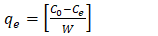
The adsorption data of Reactive Red 120 dye onto zeolite were fitted to the Freundlich and Langmuir isotherm models to study the adsorption behavior and equilibrium characteristics of the adsorption process. The equilibrium dye concentrations were measured using UV-visible spectrophotometry, and the adsorption capacity (qe) was determined as shown in Equation 1 [7].
(3.1)
where Co and Ce (mg/L) represent the initial and equilibrium concentrations of the dye solution, respectively. W (g) is the mass of zeolite, and V is the volume of the solution used (L). Equation 3.2 shows the linearized Freundlich isotherm used in this study.
(3.2)
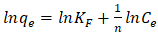
Where: KF= Freundlich isotherm constant associated with adsorption capacity, = adsorption at equilibrium, 1/n= Heterogeneity index associated with adsorption intensity, Ce = concentration of the zeolite in solution at equilibrium. Equation 3.3 shows the linearized Langmuir adsorption isotherm.
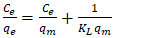
(3.3)
Where, Ce is the equilibrium dye concentration (mg/L); is the adsorption capacity(mg/g); is the maximum monolayer capacity (mg/g); is the isotherm constant (L /mg) [7].

3. Results and Discussions

3.1. XRF Analysis of the Natural Zeolite

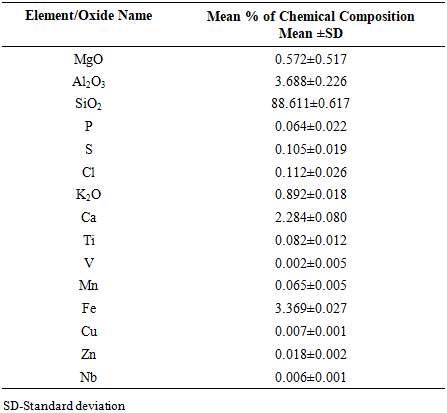
A natural zeolite sample was analyzed by X-ray fluorescence (Bruker 5117) to establish its elemental and oxide composition, as shown in Table 1 below.
Table 1. Elemental and Oxide Composition of Natural Zeolite
     
Silica (SiO₂) predominated, accounting for 88.611 %, indicating an aluminosilicate structure and favourable adsorption properties. Aluminium oxide (Al₂O₃) is identified at 3.688 %, reflecting aluminium in the framework. The SiO₂/Al₂O₃ ratio of 24.03 indicates a silica-rich zeolite, which is stable, hydrophobic, and chemically resistant, making it excellent for adsorbent applications in eliminating organic contaminants. Other elements include iron (Fe) at 3.369 %, calcium (Ca) at 2.284 %, and potassium oxide (K₂O) at 0.892%. Trace elements, such as magnesium oxide (MgO) at 0.572 %, show a predominance of silica and alumina, which is necessary for a porous structure and ion exchange. These characteristics improve adsorption due to the existence of active sites and electrostatic interactions with pollutants in aqueous solutions [8], [9].

3.2. X-ray diffraction analysis (XRD)

X-ray diffraction (D6 phaser) analysis was carried out to determine the crystalline phases and mineralogical composition of the natural zeolite sample.
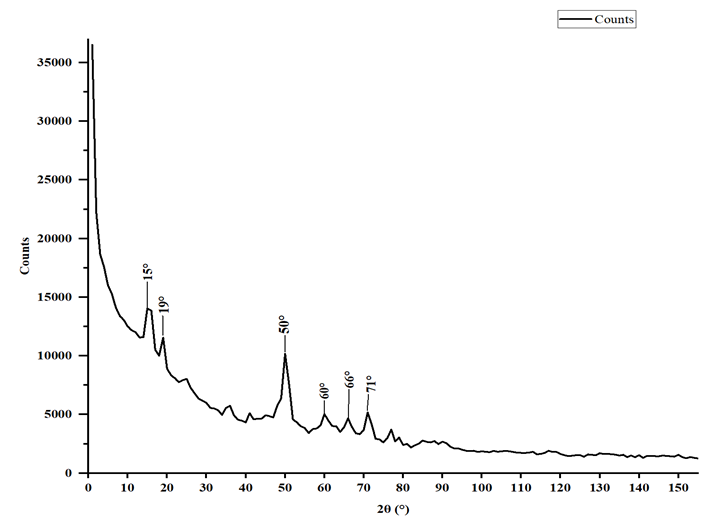
Figure 1. X-ray diffraction pattern of natural zeolite showing the crystalline phases and mineral composition before adsorption
The crystallinity and mixed zeolitic phases of natural zeolite were confirmed through X-ray diffraction (XRD) analysis, which revealed several distinct diffraction peaks. Notable findings include the dominant clinoptilolite/heulandite phases associated with specific peaks, such as (2θ = 15°). An additional peak at 19° indicates the presence of clinoptilolite/heulandite and potentially mordenite phases. Reflections at (9.8°, 11.7°, 22.4°, 26.0°, 29.9°, and 32.3°) provide additional evidence for the existence of clinoptilolite [10]. Higher-angle reflections at 50°, 60°, 66°, and 71° were also employed to identify other mixed zeolite phases, including mordenite, chabazite-Ca, and analcime [11]. These results underscore the crystalline structure and structural heterogeneity of natural zeolite, which is significant due to its porous nature that facilitates dye removal in water treatment applications.

3.3. FT-IR Analysis

The FT-IR analysis identified key functional groups and structural vibrations in natural zeolite, confirming the presence of hydroxyl groups, adsorbed water, and the aluminosilicate framework related to its adsorption properties. Figure 2 shows the FT-IR spectrum, displaying characteristic absorption peaks that correspond to different vibrational modes of the zeolitic framework.
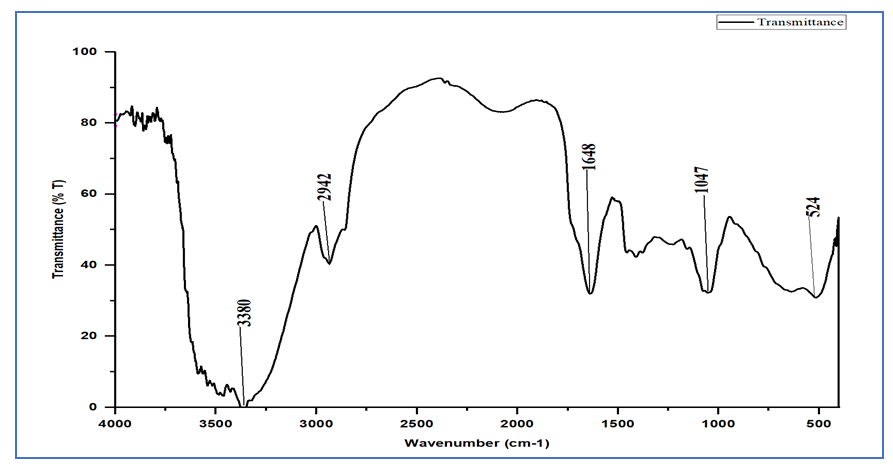
Figure 2. FT-IR spectrum of the natural zeolite showing the major functional groups and characteristic aluminosilicate framework vibrations
The FT-IR spectrum of natural zeolite revealed key peaks at 3380, 2942, 1648, 1047, and 524 cm⁻¹, indicating its functional groups and structural vibrations. The peak at 3380 cm⁻¹ corresponds to O–H stretching vibrations of hydroxyl groups and bound water, crucial for offering adsorption sites for reactive dye molecules. The 1648 cm⁻¹ band relates to H–O–H bending vibrations of water in zeolite pores, confirming its hydrated and porous nature, which aids dye retention [12]. A prominent 1047 cm⁻¹ absorption signifies Si–O–Si and Al–O–Si bond stretching, essential for explaining ion exchange and adsorption behaviors in dye removal [13]. The 524 cm-1 peak indicates T–O bending vibrations, ensuring the integrity of the zeolite's crystal structure, while the weak 2942 cm-1 band suggests minor C–H stretching from surface impurities that may influence adsorption processes [12].

3.4. Raman Spectroscopic Analysis

Raman spectroscopy (ATR3000-785) was used to identify the structural vibrations and the mineralogical features of the natural zeolite. The analysis was used to confirm the framework-related vibrational bands of the zeolite aluminosilicate structure as shown in Figure 3 below.
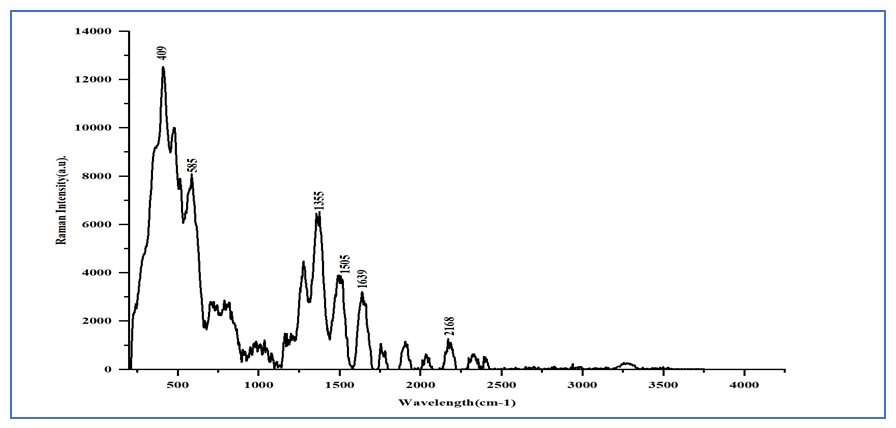
Figure 3. Raman spectrum of natural zeolite showing major structural vibration bands
From figure 2 shown above, natural zeolite exhibits Raman peaks at 409, 585, 1355, 1505, 1639, and 2168 cm⁻¹. The 409 cm⁻¹ band confirms the presence of zeolite T-O-T framework vibrations, which are essential for adsorption. The 585 cm⁻¹ band linked with T-O bending vibrations suggests structural integrity, which is important for dye adsorption. Bands at 1355 and 1505 cm⁻¹ may be contaminants, indicating the natural zeolite's heterogeneous mineral phase. The 1639 cm⁻¹ band corresponds to H-O-H bending vibrations from adsorbed water, which influence dye molecule uptake. The faint 2168 cm⁻¹ band is most likely caused by pollutants and should be treated with caution [14]. Overall, the Raman spectrum confirms the findings of the FT-IR and XRD analyses, emphasizing the zeolite's features crucial to dye removal, such as pore accessibility and electrostatic interactions [15].

3.5. Effects of Dye Aging Time on Physicochemical Characteristics of Reactive Red Dye

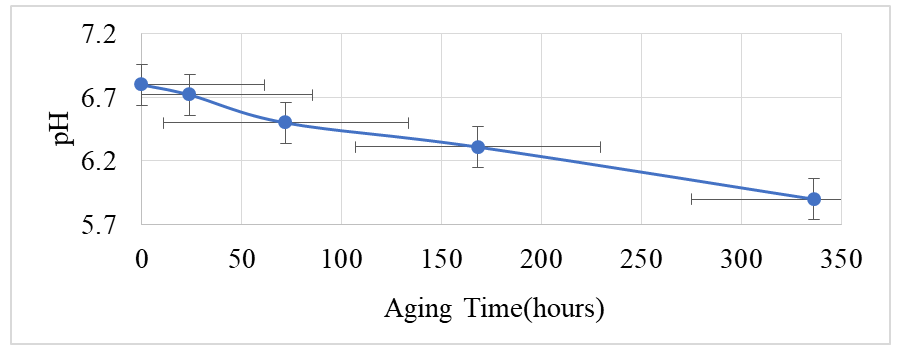
Aged Reactive Red dye solution was evaluated for 0 hours, 24 hours, 72 hours, 7 days, and 14 days to study the impact of storage time on its physicochemical properties before adsorption. Key parameters such as pH and absorbance were measured under laboratory conditions to evaluate potential changes that could influence the dye's adsorption efficiency on natural zeolite. Figures 4 and 5 show the effects of aging time on absorbance and pH, respectively.
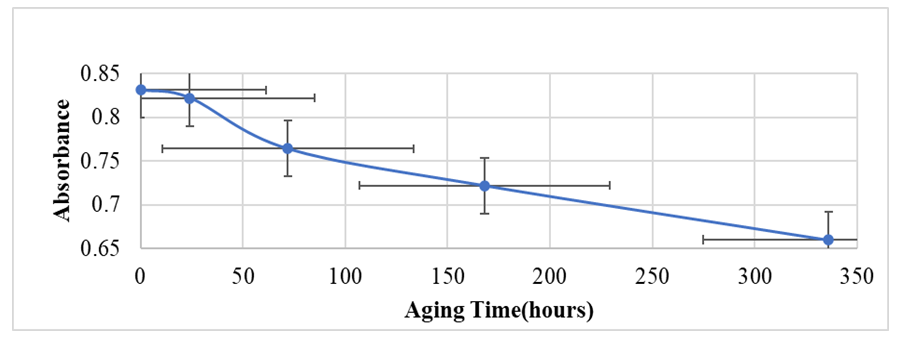
Figure 4. Effect of dye aging time on absorbance of reactive red dye
Figure 4 illustrates that the absorbance of Reactive Red dye declines from 0.831 (0 hours) to 0.660 (after 14 days), indicating reduced dye intensity due to storage. The gradual decrease suggests a reduction in the concentration or activity of absorbable species over time. Initial slight changes occur within the first 24 hours, followed by significant modifications from 72 hours to 14 days, implying time-dependent physicochemical alterations such as dye hydrolysis, molecular aggregation, and degradation [16]. These aging processes affect the dye's stability and its adsorption properties on natural zeolite, as aged dye molecules may interact differently with adsorption sites compared to fresh solutions.
Figure 5. Effect of Dye Aging Time on pH of Reactive Red Dye Solution
As shown in Figure 5 above, the reactive red pH drops from 6.80 to 5.90 over 14 days which suggests more acidity during aging. This points to physicochemical processes such as hydrolysis, aggregation, and degradation processes producing hydrolyzed species and intermediates with acid characteristics [17]. The dissociation of functional groups in the dye structure also increases hydrogen ions, altering the solution's stability [18]. This pH decline correlates with reduced absorbance, highlighting the adverse effects of aging on the dye's physicochemical and adsorption properties on natural zeolite.

3.6. Effect of Adsorbent Dose

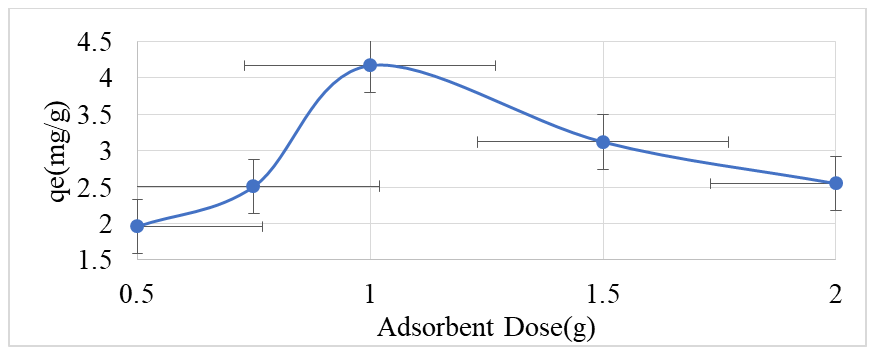
The study examined how varying the dosage of natural zeolite adsorbent (0.5 g to 2.0 g) affects the percentage removal and adsorption capacity of reactive red dye, as shown in Figures 6 and 7, respectively.
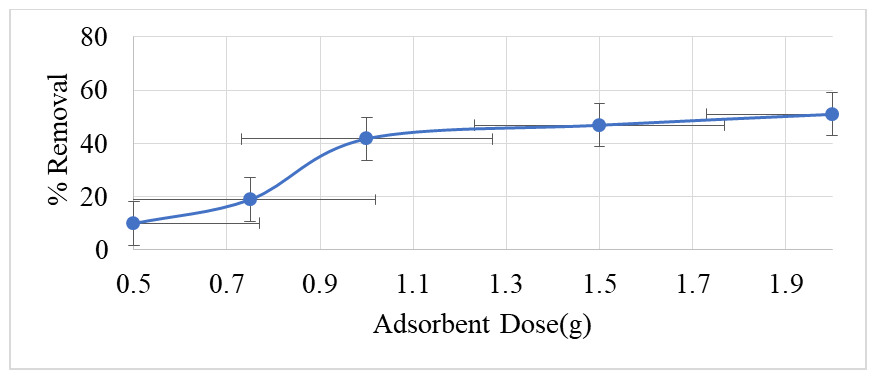
Figure 6. Effect of Adsorbent dose on percentage removal of natural zeolite
From the data presented in Figure 6, it is evident that the removal percentage of the reactive dye improves with increasing adsorbent dosage. This improvement is primarily due to a rise in the number of available adsorption sites as more natural zeolite is introduced into the dye solution. At lower doses (0.5 g), there are fewer active sites, resulting in higher residual dye concentrations. Other studies corroborate this observation, indicating that a higher adsorbent dosage enhances the number of adsorption sites, leading to greater dye removal through increased surface area for interaction. As the dosage escalates, a marked decrease in equilibrium dye concentration occurs, demonstrating elevated dye removal efficiency linked to augmented surface availability and adsorption capacity. However, it is noted that excessively high doses may lead to diminishing returns in removal efficiency, as site overlap or full coverage of the adsorbents can occur, limiting further adsorption effectiveness [19], [20].
Figure 7. Effect of Adsorbent dose on adsorption capacity of natural zeolite
Figure 7 illustrates that the adsorption capacity (qe) increases with adsorbent dosage, peaking at 1.0 g due to a higher availability of adsorption sites and enhanced interaction with dye molecules. Beyond this point, however, the adsorption capacity declines as the dosage increases. This decrease is typically observed in adsorption systems, attributed to particle aggregation at higher dosages, which leads to overlapping adsorption potentials. Additionally, at elevated dosages, the concentration of dye molecules in the solution decreases significantly relative to the number of adsorption sites, resulting in reduced dye uptake per unit mass of adsorbent. Similar trends have been noted in studies on dye removal using natural and low-cost adsorbents [20].

3.7. Effect of Initial Dye Concentration

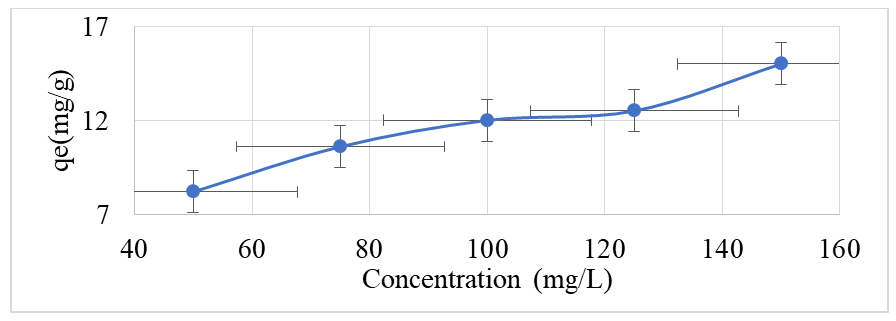
The adsorption of reactive red dye on natural zeolite was studied at various concentrations. Results summarized in Figures 8 and 9 illustrate how different concentrations of reactive red dye influenced the percentage removal and adsorption capacity of natural zeolite, respectively.
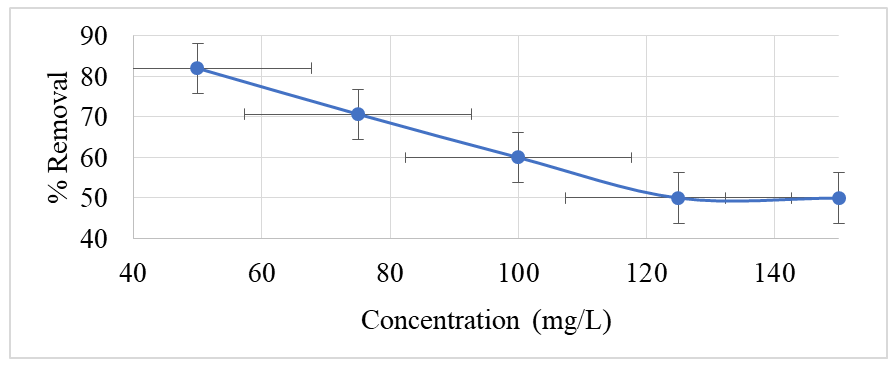
Figure 8. Effect of initial dye concentration on percentage removal of reactive red dye
As the dye concentration increases, the percentage removal of dye significantly decreases due to a limited number of adsorption sites available. At lower concentrations (50 mg/L), the high ratio of adsorption sites to dye molecules allows for maximum adsorption efficiency. However, as concentration rises to 150 mg/L, more dye molecules compete for the same sites, leading to a drop in removal efficiency to 50% at 150 mg/L. This trend indicates saturation of the zeolite surface, as higher concentrations result in more dye than can be effectively adsorbed. Observations from other studies confirm that natural zeolites are more efficient at lower dye concentrations, with 50 mg/L identified as the optimal concentration for maximum removal efficiency [19].
Figure 9. Effect of initial dye concentration on the adsorption capacity of reactive red dye
The adsorption capacity (qe) increases with higher initial dye concentrations, rising from 50 mg/L to 150 mg/L. This increase is attributed to a greater concentration gradient between the dye solution and zeolite, enhancing adsorption. Although the percentage dye removal decreased at higher concentrations, the total dye adsorbed per gram of zeolite increased due to the greater availability of dye molecules. Supporting results from Hammood et al. [6] indicate that increased initial dye concentrations generally enhance adsorption capacity, driven by improved mass transfer, despite potential saturation of adsorption sites.

3.8. Effect of Solution pH

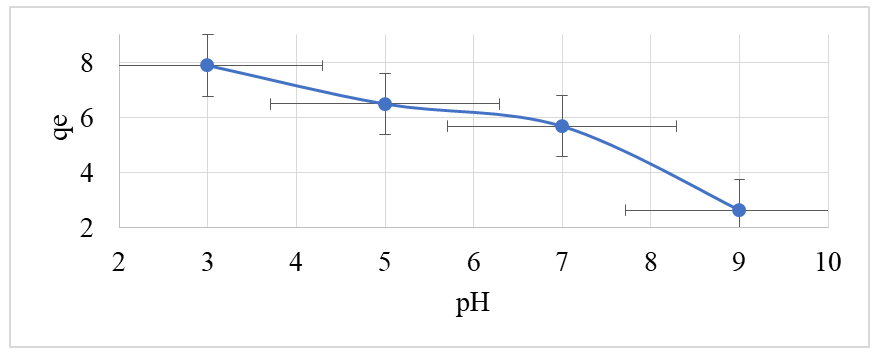
The study investigated how solution pH (3, 5, 7, and 9) affects the adsorption of Reactive Red dye by natural zeolite. Results for equilibrium concentration, percentage removal, and adsorption capacity were determined, with findings detailed in Figures 10 and 11.
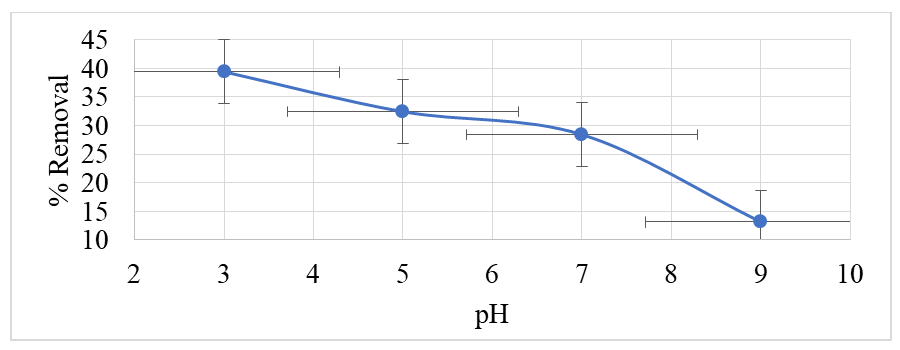
Figure 10. Effect of solution pH on percentage removal of reactive red dye
Figure 10 shows how solution pH affects the adsorption of Reactive Red dye on natural zeolite. The highest removal percentage was at pH 3 (39.43%), followed by pH 5 (32.44%), pH 7 (28.42%), and pH 9 (13.13%). Lower pH enhances adsorption due to protonation of active sites on zeolite, increasing electrostatic attraction with negatively charged dye molecules. As pH increases, hydroxyl ions compete for adsorption sites, and deprotonation reduces positive charge density, leading to decreased dye removal efficiency. This trend aligns with similar studies on anionic dyes, confirming that an acidic environment is optimal for dye adsorption with natural zeolite, due to less competition from hydroxyl ions [21]. In summary, a lower pH facilitates superior interaction and adsorption of Reactive Red dye onto natural zeolite.
Figure 11. Effect of solution pH on the adsorption capacity of reactive red dye
The adsorption capacity of natural zeolite for Reactive Red dye is highest at pH 3 and decreases with increasing pH, indicating that acidic conditions enhance adsorption. This is attributed to the protonation of zeolite surface sites, which attracts negatively charged dye molecules. As pH rises, competition from hydroxyl ions increases, reducing the positive charge on zeolite and weakening the attraction to the dye, leading to lower adsorption capacity. The study aligns with previous findings, confirming that adsorption efficiency diminishes in alkaline environments. The results underscore a linear dependence of zeolite's adsorptive ability on pH, with optimal conditions occurring under acidic conditions [21].

3.9. Effect of Contact Time

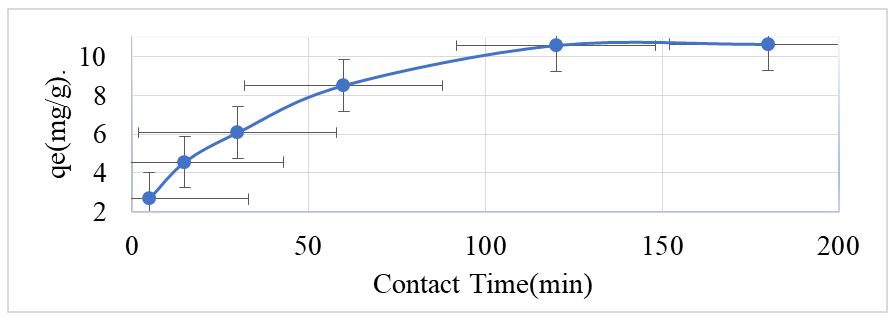
The study examined the impact of contact time on the adsorption of Reactive Red dye using natural zeolite over intervals of 5, 15, 30, 60, 120, and 180 minutes. Results on percentage removal and adsorption capacity were detailed in Figures 12 and 13.
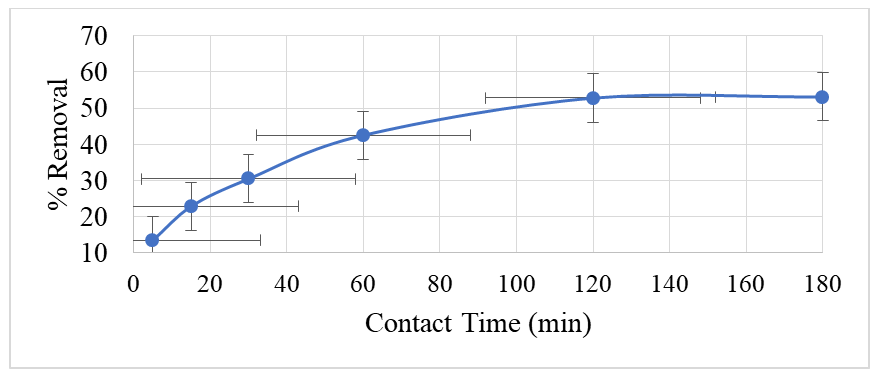
Figure 12. Effect of contact time on percentage removal of reactive red dye
Figure 12 shows that the removal percentage of reactive red dye increases with longer contact times, particularly sharp in the first 60 minutes, followed by a gradual rise towards equilibrium at 120 minutes. Beyond this point, no significant increase in removal is observed, indicating saturation of available active sites on natural zeolite. Initially, vacant sites allow rapid dye attachment, but as they fill, the adsorption rate slows due to reduced mass transfer driving force. This behavior parallels that of anionic textile dye adsorption, where initial rapid uptake levels off once saturation occurs [22].
Figure 13. Effect of contact time on the adsorption capacity of reactive red dye
As illustrated in Figure 13, the adsorption capacity (qe) of Natural Zeolite for Reactive Red dye increased with contact time, showing significant uptake in the first 60 minutes, after which the rate slowed, indicating occupied adsorption sites. After 120 minutes, no further increase in capacity was observed, signifying that adsorption equilibrium was achieved. The results underscore the importance of adequate contact time for effective dye molecule diffusion to the zeolite's surface, typical of porous natural adsorbents. Therefore, 120 minutes is identified as the optimum time for maximum dye adsorption in the conditions examined.

3.10. Effect of Dye Aging Time

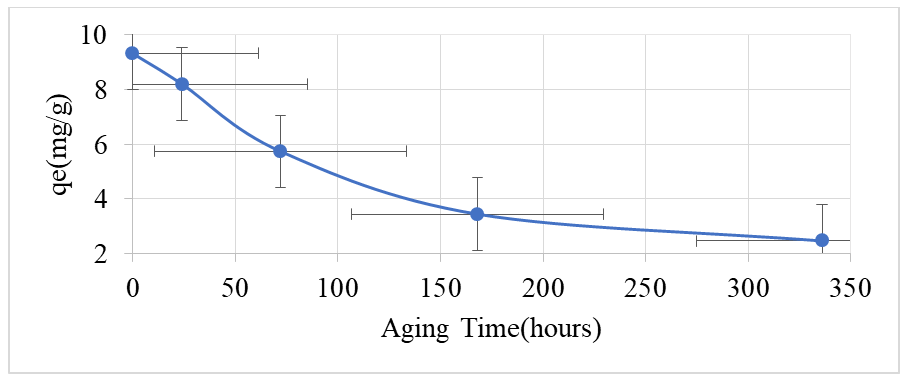
The study investigated the effect of dye aging time on the adsorption of Reactive Red dye onto natural zeolite at 0 hours, 24 hours, 72 hours, 7 days, and 14 days. The effects of dye aging time on percentage removal and adsorption capacity (qe) were calculated and presented in Figures 14 and 15, highlighting the impact of dye aging on the adsorption efficiency of reactive red dye on natural zeolite.
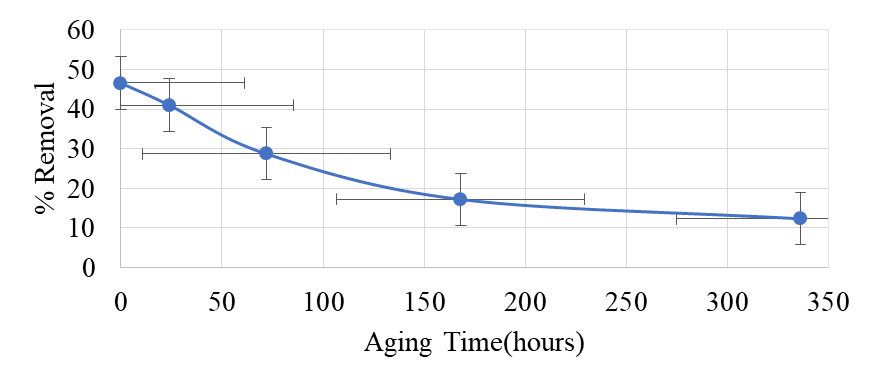
Figure 14. Effect of aging time on percentage removal of reactive red dye
Figure 14 illustrates the impact of aging time on the removal efficiency of Reactive Red dye using natural zeolite. The highest dye removal was 46.6% at 0 hours, decreasing to 12.3% after 14 days. A significant drop in efficiency occurred within the first 72 hours, likely due to physicochemical changes in the dye solution, including degradation and structural alterations, which reduce the adsorption affinity on the zeolite. Recent studies indicate that dye structure and compatibility with adsorbents significantly affect adsorption, emphasizing that fresh dye solutions yield better removal results [23].
Figure 15. Effect of dye aging time on the adsorption capacity of reactive red dye
The adsorption capacity (qe) of dye decreases with aging time, highlighting a significant decline from 9.32 mg/g at 0 hours to 2.46 mg/g after 14 days. The reduction is initially sharp within the first 72 hours, followed by a gradual decrease. This decline is attributed to physicochemical changes in the dye, including degradation, aggregation, hydrolysis, and structural changes, which affect molecular size, charge distribution, and functional groups that interact with the zeolite surface. Such changes hinder adsorption efficiency, as similarly noted in literature, with aging and hydrolysis leading to reduced affinity toward adsorbents and restricted accessibility to active sites in zeolite pores [24]. Fresh dye solutions are thus more effective for adsorption processes.

3.11. Adsorption Isotherms

The adsorption isotherms analysis was carried out to describe the interactions between the reactive red dye molecules and the zeolite surface at equilibrium. The Langmuir and the Freundlich adsorption isotherm models were used to evaluate adsorption behavior, surface characteristics, and suitability for dye removal.
Table 2. Langmuir and the Freundlich isotherm parameters for the adsorption of reactive red dye onto natural zeolite
     
The Freundlich model outperformed the Langmuir model in describing the adsorption of Reactive Red dye onto natural zeolite, with correlation coefficients of R² = 0.9502 and R² = 0.9131, respectively. This suggests heterogeneous adsorption sites of varying energies on the zeolite surface. The Freundlich constant (KF = 4.73 mg/g) and a heterogeneity factor (1/n = 0.2531) indicate favorable adsorption conditions. The Langmuir model, while also fitting well (Qmax = 11.45 mg/g), implies that some adsorption occurs in a monolayer on specific active sites. Overall, both models adequately describe the adsorption behavior, with the Freundlich model highlighting the predominant heterogeneous interactions influenced by the zeolite's structural characteristics [25].

4. Conclusions

Natural zeolite effectively removes reactive red dye from aqueous solutions due to its aluminosilicate composition, primarily consisting of 88.611% silica and 3.688% alumina. XRD analysis shows that crystal phases like mordenite enhance its adsorption capacity. Raman and FT-IR analyses confirm the integrity of the zeolite framework. Ageing decreases dye concentration and affects adsorption properties, as shown by a drop in absorbance and pH after 14 days. Optimal dye removal occurs at a zeolite dosage of 1.0 g and lower dye concentrations, with pH 3 favoring adsorption through stronger electrostatic interactions. The Freundlich model fits the adsorption data better than the Langmuir model, indicating a Freundlich constant of 4.73 mg/g and a Langmuir capacity of 11.45 mg/g. This underscores the potential of natural zeolite as a cost-effective and eco-friendly adsorbent for reactive red dye removal from wastewater.

Conflict of Interests

The authors declare that they have no known competing financial interests or personal relationships that could appear to have influenced the work described in this paper.

ACKNOWLEDGEMENTS

The authors express gratitude to Kibabii University’s science technology and engineering department for the assistance offered during the research period.

References

[1]  Helmy, M., Hegazy, M., Mohamed, A., & Hassan, K. (2023). Predicting the degradation of reactive red-147 dye in textile wastewater using response surface methodology technique. Applied Water Science, 13(1), 25.
[2]  Kamati, S. N. (2024). A review on progresses in reactive dye-containing wastewater and treatment approaches. Water Practice & Technology, 2024.
[3]  Ali, S. K., Abdou, M. M., Emara, M. M., Farag, R. S., & Mubarak, M. F. (2025). Eco-friendly solutions: a comprehensive review of natural coagulants for sustainable water treatment. Environmental Geochemistry and Health, 47(12), 535.
[4]  Donkadokula, N. Y., Kola, A. K., Naz, I., & Saroj, D. (2020). A review on advanced physico-chemical and biological textile dye wastewater treatment techniques. Reviews in environmental science and bio/technology, 19(3), 543-560.
[5]  Crini, G., & Lichtfouse, E. (2019). Advantages and disadvantages of techniques used for wastewater treatment. Environmental Chemistry Letters, 17(1), 145–162.
[6]  Hammood, Z. A., Chyad, T. F., & Al-Saedi, R. (2021). Adsorption performance of dyes over zeolite for textile wastewater treatment. Ecological Chemistry and Engineering S, 28(3), 329-337.
[7]  Maingi, F. M., Mbuvi, H. M., Mwangi, H., and Ng’ang’a, M. M. (2019). Clay-Rice Husk Ash based Geopolymers for Remediation of Pb (II) and Cd (II) from Wastewater Egerton Journal of Science & Technology, 2019 Oct Volume 17: 15-28.
[8]  Morante-Carballo, F., Montalván-Burbano, N., Carrión-Mero, P., & Jácome-Francis, K. (2021). Worldwide research analysis on natural zeolites as environmental remediation materials. Sustainability, 13(11), 6378.
[9]  Paprica, N., Filipović, R., Perušić, M., Kostić, D., Pantić, S., & Damjanović, V. (2022). Influence of the SiO2/Al2O3 molar ratio on the specific properties of NaA zeolite. Chemical Papers, 76(9), 5421-5428.
[10]  Ferri, B. B., Wernke, G., Resende, J. F., Ribeiro, A. C., Cusioli, L. F., Bergamasco, R., & Vieira, M. F. (2024). Natural zeolite as adsorbent for metformin removal from aqueous solutions: Adsorption and regeneration properties. Desalination and Water Treatment, 320, 100602.
[11]  Narayanan, S., Tamizhdurai, P., Mangesh, V. L., Ragupathi, C., & Ramesh, A. (2021). Recent advances in the synthesis and applications of mordenite zeolite–review. RSC advances, 11(1), 250-267.
[12]  Cadar, O., Senila, M., Hoaghia, M. A., Scurtu, D., Miu, I., & Levei, E. A. (2020). Effects of thermal treatment on natural clinoptilolite-rich zeolite behavior in simulated biological fluids. Molecules, 25(11), 2570.
[13]  Ma, Y. K., Rigolet, S., Michelin, L., Paillaud, J. L., Mintova, S., Khoerunnisa, F., ... & Ng, E. P. (2021). Facile and fast determination of Si/Al ratio of zeolites using FTIR spectroscopy technique. Microporous and Mesoporous Materials, 311, 110683.
[14]  Tsai, Y. L., Huang, E., Li, Y. H., Hung, H. T., Jiang, J. H., Liu, T. C., ... & Chen, H. F. (2021). Raman spectroscopic characteristics of zeolite group minerals. Minerals, 11(2), 167.
[15]  Grifasi, N., Ziantoni, B., Fino, D., & Piumetti, M. (2025). Fundamental properties and sustainable applications of the natural zeolite clinoptilolite. Environmental Science and Pollution Research, 32(48), 27805-27840.
[16]  Katheresan, V., Kansedo, J., & Lau, S. Y. (2018). Efficiency of various recent wastewater dye removal methods: A review. Journal of Environmental Chemical Engineering, 6(4), 4676-4697.
[17]  Islam, M. N., Toprak-Cavdur, T., Islam, S., Tarannum, F., & Walters, K. B. (2024). Reactive dye wash-off processing of cotton fabrics using polymer dye transfer inhibitors for sustainable dyeing. Sustainability, 16(18), 7991.
[18]  Zafar, S., Bukhari, D. A., & Rehman, A. (2022). Azo dyes degradation by microorganisms–An efficient and sustainable approach. Saudi journal of biological sciences, 29(12), 103437.
[19]  Abate, G. Y., Alene, A. N., Habte, A. T., & Getahun, D. M. (2020). Adsorptive removal of malachite green dye from aqueous solution onto activated carbon of Catha edulis stem as a low-cost bio-adsorbent. Environmental Systems Research, 9(1), 29.
[20]  Rápó, E., & Tonk, S. (2021). Factors affecting synthetic dye adsorption; desorption studies: a review of results from the last five years (2017–2021). Molecules, 26(17), 5419.
[21]  Pająk, M., Dzieniszewska, A., & Kyzioł-Komosińska, J. (2025). Natural (clinoptilolite) and synthetic (NaP1) zeolites in the adsorption process for the removal of Acid Black 1 dye from aqueous solutions. Molecules, 30(8), 1677.
[22]  Wong, S., Ngadi, N., Inuwa, I. M., & Hassan, O. (2018). Recent advances in applications of activated carbon from biowaste for wastewater treatment: a short review. Journal of Cleaner Production, 175, 361-375.
[23]  Lu, J., Zhou, Y., & Zhou, Y. (2023). Recent advance in enhanced adsorption of ionic dyes from aqueous solution: A review. CritiCal reviews in environmental sCienCe and teChnology, 53(19), 1709-1730.
[24]  Jawad, A. H., Abdulhameed, A. S., & Mastuli, M. S. (2020). Acid-factionalized biomass material for methylene blue dye removal: a comprehensive adsorption and mechanism study. Journal of Taibah University for Science, 14(1), 305-313.
[25]  Radoor, S., Karayil, J., Jayakumar, A., Parameswaranpillai, J., Lee, J., & Siengchin, S. (2022). Ecofriendly and low-cost bio adsorbent for efficient removal of methylene blue from aqueous solution. Scientific Reports, 12(1), 20580.